
Improving Your Dental Health With Home Tools!

As you browse the dental care aisle at your local pharmacy, you may notice a wide range of ‘tools’ intended to help you maintain your oral health.
There are multiple choices, even only for dental floss: Do you need waxed or unwaxed? Flavoured? Traditional or tape? And then there’s the assortment of mouthwashes, oral irrigators, and various tools you can choose to help you achieve maximum oral health.
Can Diabetes Affect Your Teeth And Gums?

If you have diabetes, you probably know the disease can damage eyes, heart, nerves, kidneys, and more. Did you know it can also damage your dental health? The fact is that diabetics have a higher than normal risk of periodontal diseases.
Periodontal diseases are infections of the gum and bone that hold the teeth in place. In advanced stages, they lead to painful chewing problems and even tooth loss.
In this post, Alex Bratic Dental Care will explore the link between diabetes and periodontal disease. We will look at what it is, the prevention and treatment options available, and some other oral problems that are also linked to diabetes.
The Ultimate Toothpaste Guide

The shelves in the dental hygiene aisle at stores are overstuffed with a variety of dental care products. The large selections make it overwhelming to choose the product that best suits your needs. The real question is, are all of the products offered appropriate for your teeth? How can you know which toothpaste is the best for your smile?
The role of toothpaste has always been to keep teeth clean and to assist in optimising oral health. With the enormous selections available at your grasp, it’s crucial to understand the benefits that each provides.
All toothpaste products are all unique in regards to the different formulas that are used. Below, Alex Bratic Dental offers you a description of the most popular toothpastes used for specific goals.
Use this guide as your aid when choosing the most suitable option.
4 Ways Pregnant Women Can Protect Their Dental Health

A pregnancy should be a wonderful time for a woman, full of the promise of the future. But a pregnancy can also be a time with many demands on the woman’s time. One thing that should not be overlooked, for the safety of the mother and the child, is proper dental care.
Happily, most routine treatment is perfectly safe during pregnancy. During the first trimester, however some procedures and medications should be avoided. For proper treatment, be sure your dentist knows you are pregnant.
Top 7 Best Practices for Good Oral Health

The Problem With Bleeding Gums

You’re brushing your teeth and when you spit out your toothpaste you notice a trace of crimson. Perhaps you notice some bleeding at your gum line when you floss. The amount of blood involved might not seem like a big deal. However, if your gums are bleeding regularly, it is dangerous ignore it.
Bleeding gums are often a sign of gingivitis or some more serious condition. If you do notice tenderness or bleeding, your first stop should always be at Alex Bratic Dental Care in Beenleigh.
What Causes Bleeding/Tender/Inflamed Teeth?
Most cases of bleeding gums are due to dental plaque (bacterial deposits) and calculus (tartar) building up where the teeth and gums come together. This causes the gum tissues to become inflamed, which is known as gingivitis. If plaque and calculus continue to accumulate over time, continuing inflammation can lead to bad breath, tenderness and bleeding.
10 Amazing Facts About Your Teeth

Nowadays we are surrounded by the noise and intrusion of advertising campaigns wherever we go. It can be difficult to enjoy a few minutes of peace and calm.
Fortunately, the professionals at Alex Bratic Dental Care are here to offer you a small break with this ran collection of dental myths related to teeth. Enjoy!
Some of the myths related to curing a toothache can be quite amusing, if rarely based in reality.
New Year Dental Health Tips

It’s that time of the year again! We try to sum up last year and make resolutions for the New Year.
Resolutions are an important part of the New Year because they provide us with goals and directions. Resolutions encourage us to surpass our previous achievements and challenge ourselves in new ways.
Why not add some dental health based New Year resolutions into the resolutions you have already made? Healthier teeth can create a brighter smile, better health, and even save you money.
‘Tis the Season to be Healthy: Dental Tips for Holidays

‘Tis the season for sweets and treats! Unfortunately sweets and treats can come with damage to your dental health. But if you maintain good oral health and habits during the holiday season, you can keep your smile bright and give yourself a precious gift: healthy, attractive teeth!
Holiday parties and events come along with sugary treats and drinks. During the holiday hustle and bustle oral hygiene can be put aside. The holidays, however, are among the most important times to practice good oral hygiene. Alex Bratic Dental Care in Beenleigh wants to help keep your teeth safe from the damage that sugary treats and drinks can cause.
Alzheimer’s Disease and Dental Care

4 Ways To Protect Your Teeth from Juicing Damage

Juicing is known to provide tremendous health benefits and is a very popular way to boost your fruit and vegetable consumption. Because it only involves fresh fruits and vegetables, juicing can help fight inflammation and diseases such as arthritis and cancer.
On the other hand, when it comes to your oral health, juicing has both upsides and downsides. While juicing is generally healthy for your mouth, it has also a direct effect on your dental health, especially on your teeth.
Top 4 Amazing Benefits of Brushing and Flossing

Good dental care, which involves brushing and flossing, will help you to achieve healthy, beautiful smile. This routine is an important part of your health program, as it can help prevent the threat of various oral health diseases such as tooth decay and gum diseases.
Aside from home care, getting regular professional clean is an essential part of good dental care. Caring for your mouth reduces your risk for various dental and medical conditions, and provides you with the following benefits:
• Fresher breath
• Whiter teeth and brighter smile
• Prevents gum problems
• Keeps you from expensive dental procedures
How to Whiten Teeth At Home

One of the most popular, sought-after, and well-loved treatments in the world of cosmetic dentistry is teeth whitening, also referred to as dental bleaching.
But did you know that there are methods to whiten your teeth at home? Some of these techniques can be recommended by your dentist while others are just “do-it-yourself”. Knowing the advantages and disadvantages of these treatments is crucial when deciding on whitening your teeth.
6 Ways Unhealthy Teeth Can Affect Your Health
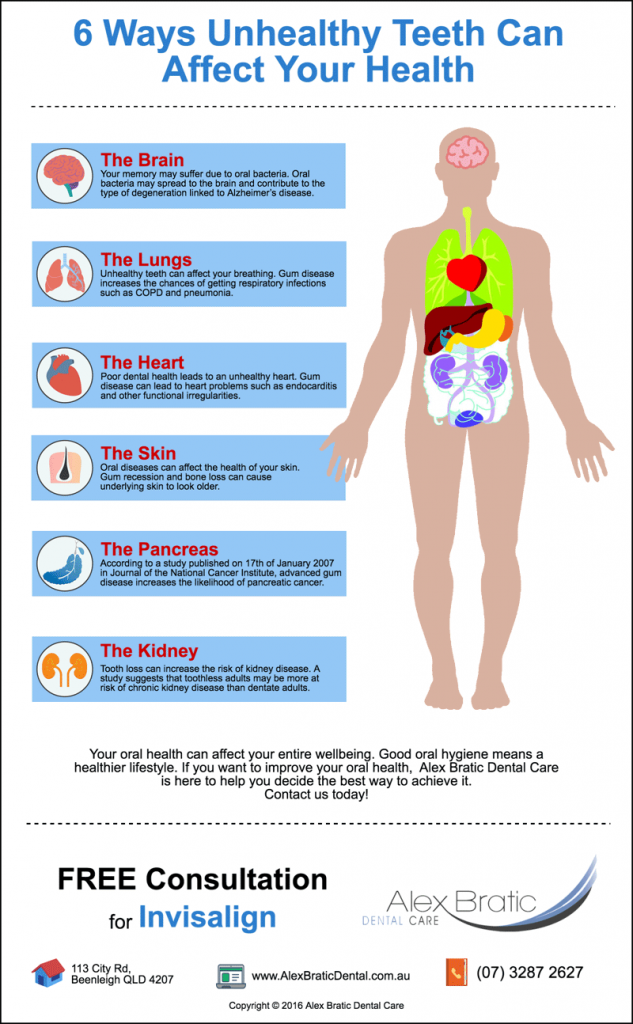
Dental pain and bleeding gums are indications of poor oral health and unhealthy mouth. Not taking good care of your teeth will not only cause bad breath, but it can also lead to serious health issues, which affects your skin, heart, lungs and kidneys.
Studies show that people suffering from gum disease are almost twice as likely to develop coronary artery disease compared to those who have healthy gums. Oral bacteria can also affect the memory as some researchers suggest a link between poor dental health and increased risk of dementia. Moreover, poor dental health can also hurt your blood sugar, affects your breathing, and increases the risk of pancreatic cancer and chronic kidney disease.
The Top 7 Causes of Toothache
5 Tips to Help You Get Ready for Dental Visits
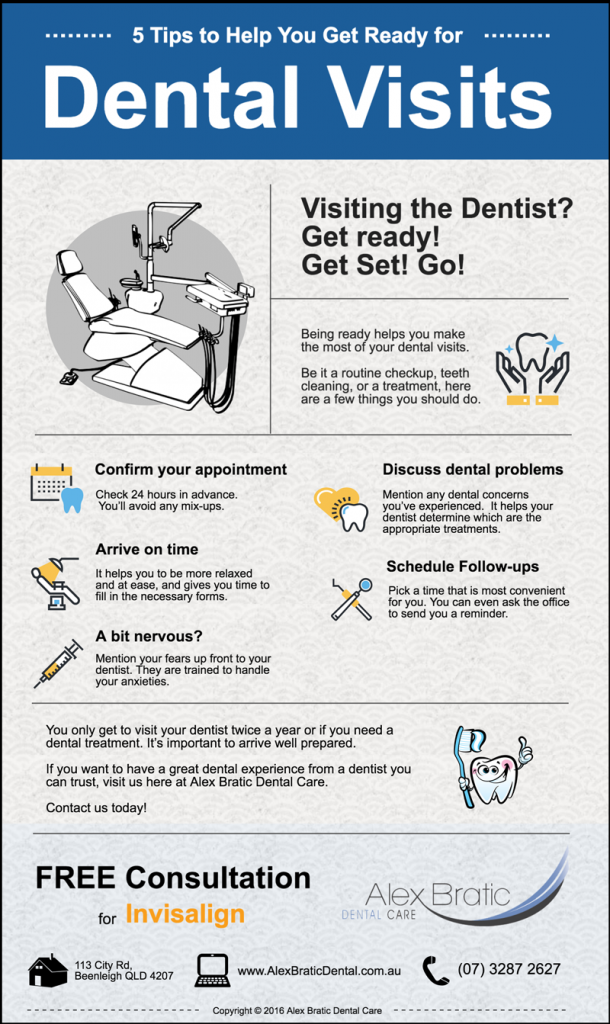
Visiting the Dentist? Get ready! Get Set! Go!
Being ready helps you make the most of your dental visits.
Be it a routine checkup, teeth cleaning, or a treatment, here are a few things you should do.
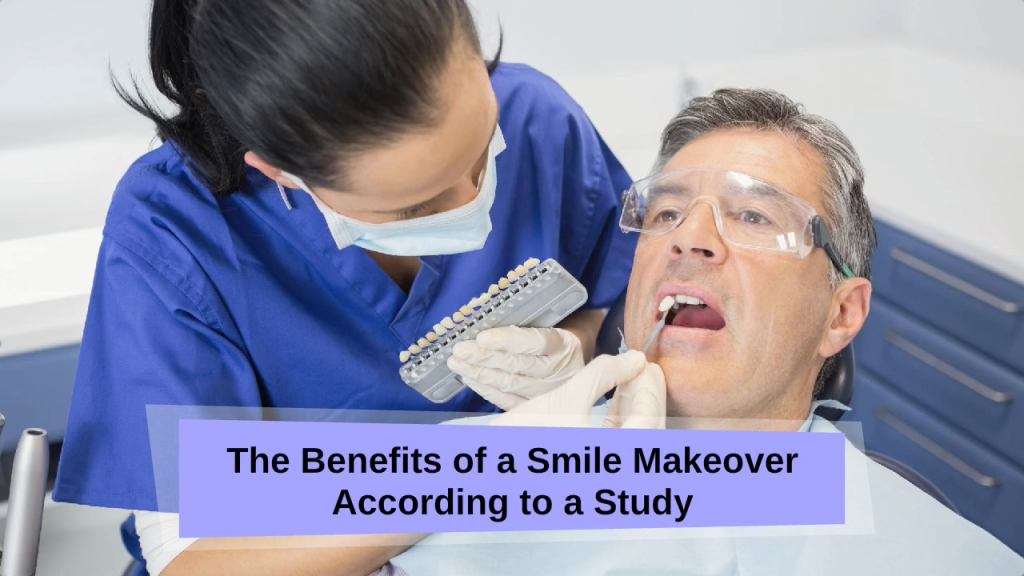
The Benefits of a Smile Makeover
How Acidic Drinks Put Your Teeth At Risk

Gum Health: Healthy Gums, Healthy You

Most people know that being overweight, having diabetes, stress & smoking all increase your risk of heart disease. What you may not know is that Gum Disease also increases the risk of Heart Disease.
Gum disease is a condition caused by bacteria which results in the destruction of the bone and gum attachment around a tooth.
What are the signs of Gum Disease:
• bleeding gums
• red, puffy or tender gums
• ongoing bad breath
Dental Check-up: More than just looking for decay

In my last Blog, I discussed the benefits of a check up in the early detection of tooth decay but a dental check up involves so much more than just looking for tooth decay.
The dentist will also look for signs of premature wear from clenching & grinding. Early detection & implementing preventative strategies can potentially same thousands of dollars over the long term. Not to mention saving you many hours of operative dental treatment!
As dentists we also look for signs of acid erosion which has become more frequent with the increasing consumption of acidic beverages. Another cause of damage to teeth most people do not consider is that caused by incorrect brushing technique – either brushing too hard, using a hard bristle brush or both.
What sort of Toothpaste should I use?

There are a multitude of toothpastes available claiming to have advantages over other brands and designed to achieve different results. The active ingredient in toothpaste is fluoride. For most people a 1000 p.p.m. fluoride concentration is ideal. Virtually all toothpastes from most major companies such as Colgate, Oral-B and Macleans will use this concentration. Any of these products are satisfactory.
Specialty toothpastes
There are also many specialty toothpastes available on the market. I often make recommendations for certain types of toothpastes to my patients depending on their individual needs.
Speciality Toothpastes: Choosing the Right Toothpaste

In my last Blog I spoke about the various types of toothpastes on the market & specialty pastes that I recommend. Now I would like to comment on three other types of pastes.
1. Desensitising toothpastes:
Many people suffer from sensitive teeth. The most common reason for this is gum recession, where the sensitive root surface of a tooth becomes exposed. This usually occurs from brushing too hard. Use of a soft bristled brush, a gentle technique along with a desensitising paste is usually all that is required to reduce sensitivity to a manageable level.
How Does Sugar Cause Tooth Decay?

Bacteria in our mouths use sugars as their food source. The bacteria that cause tooth decay are unable to use proteins, fats or fibre to survive. Consequently a diet high in whole grains, meats, fish, fresh fruit and vegetables & dairy foods is a diet that is unlikely to contribute to tooth decay. Incidentally, this is also a diet most nutritionists would recommend for good overall health.
Once the bacteria in our mouths have used the sugars in our diet, they produce acid as a waste product. It is actually the acid that softens the hard outer shell of the tooth (enamel). Eventually the enamel cavitates and the bacteria enter the tooth. The process of acid softening happens every time we eat something with sugar.
Dental Anxiety: Nervous About Visiting the Dentist?

You are not alone. It is estimated that approximately 70% of the population has some degree of anxiety when visiting the dentist. This ranges from mild ‘butterflies in the belly’ to extreme fear.
Fear can often be traced back to an unpleasant or painful procedure, usually at a young age. The brain automatically associates the sight, sounds & smell of the current visit with the past bad experience. The resulting anxiety releases adrenaline which heightens all sensations including pain. Awareness of this process is a big step in overcoming your fear of the dentist or anything else for that matter!
Why is Flossing so Important?

Most people are aware of the need to brush twice daily but are not aware how important it is to incorporate flossing into their daily routine. Decay usually happens at the contact area between teeth. Food & plaque gets caught in this area. Tooth brushing alone is not effective in removing plaque from between teeth. If you floss after you have brushed your teeth you will quickly see what your tooth brush has left behind.
Flossing is an essential part of a good daily oral hygiene routine. With the right technique & a little practice, flossing should take between 60-90 seconds to do. Once daily is enough. Most of us, no matter how busy, can find this time.
The Value of a Dental Check up : Early detection of tooth decay

When most people think about a dental check up, their impression is that the dentist is looking for cavities or holes in teeth. A comment I hear frequently is, “I can’t feel any holes in my teeth” or “I am not having any pain so I don’t really need a check up.” This statement highlights two misconceptions.
The first is that tooth decay is an actual hole in the tooth. Tooth decay is a bacterial infection of the tooth. Bacteria use sugar to produce acid. The acid softens the outer enamel & allows the bacteria to enter the tooth. A well advanced infection can be present without any noticeable cavitation of the tooth surface.
